

Defensible intelligence

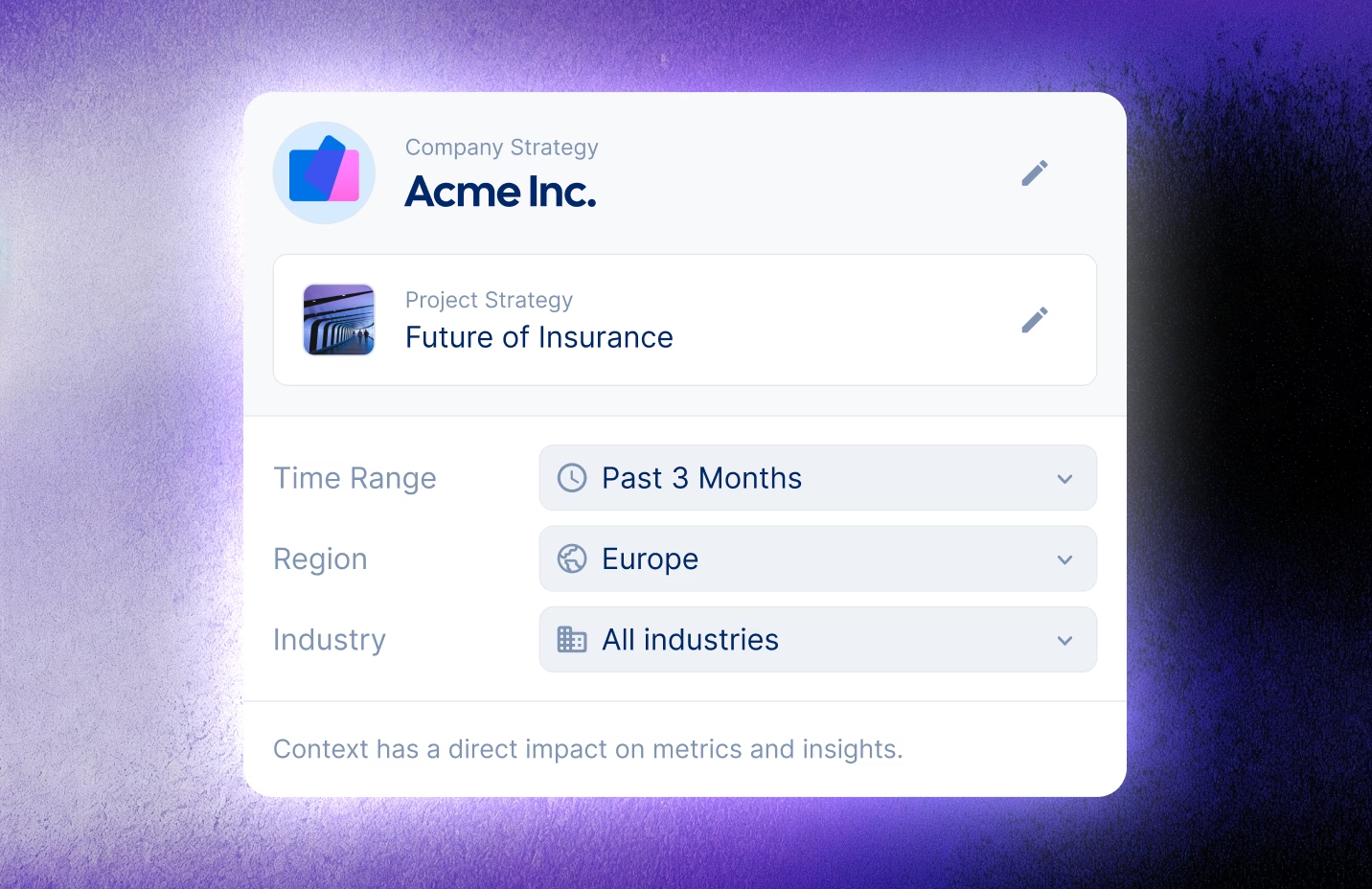
Get continuously updated, proprietary scored trend radars on any strategic challenge,
trend domain, industry, or region. We don't just visualize the past, we forecast the
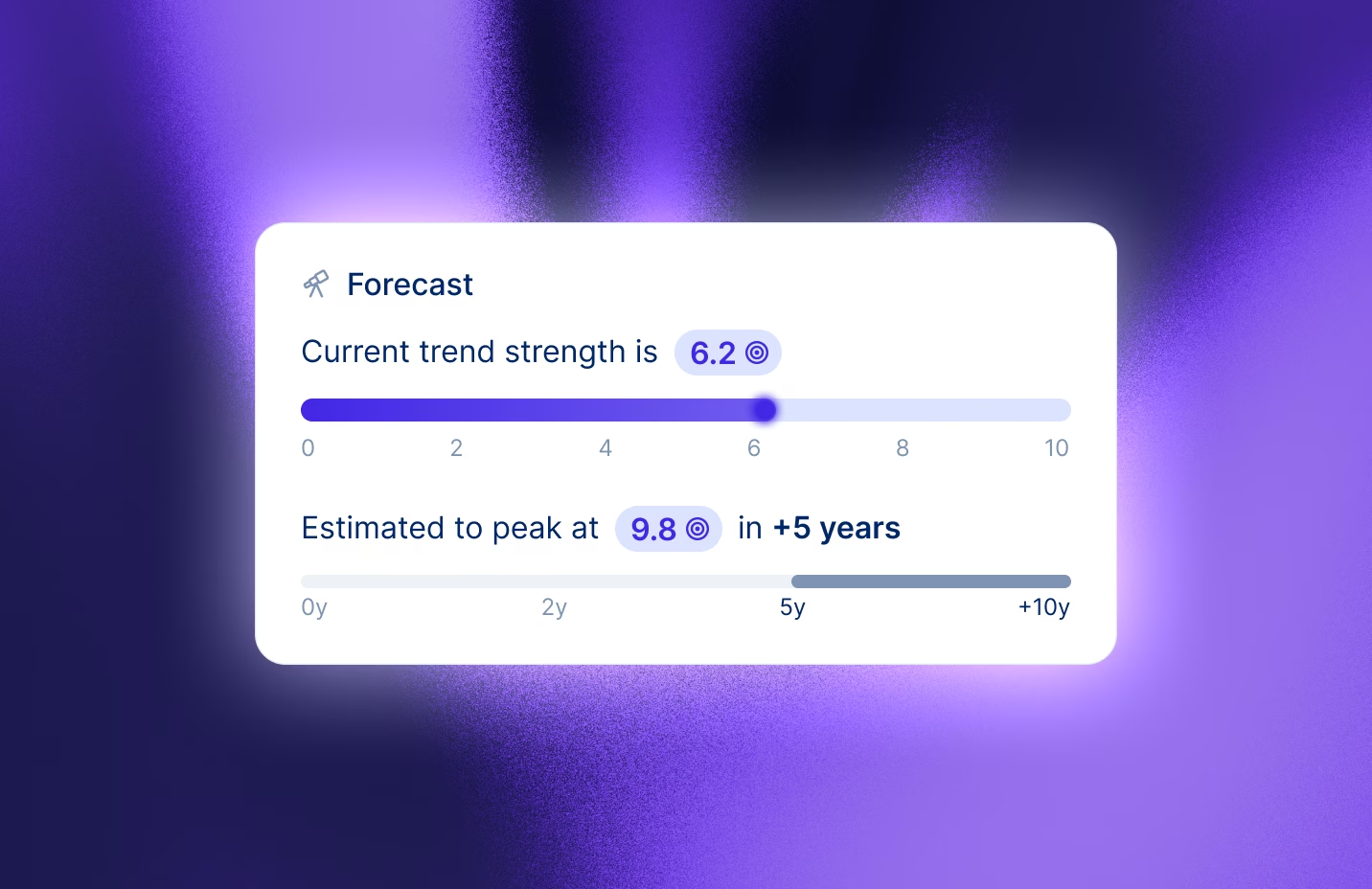
future velocity of change, giving you an unmatched 360° overview. That's the strategic advantage of Al automated Trend Radars.


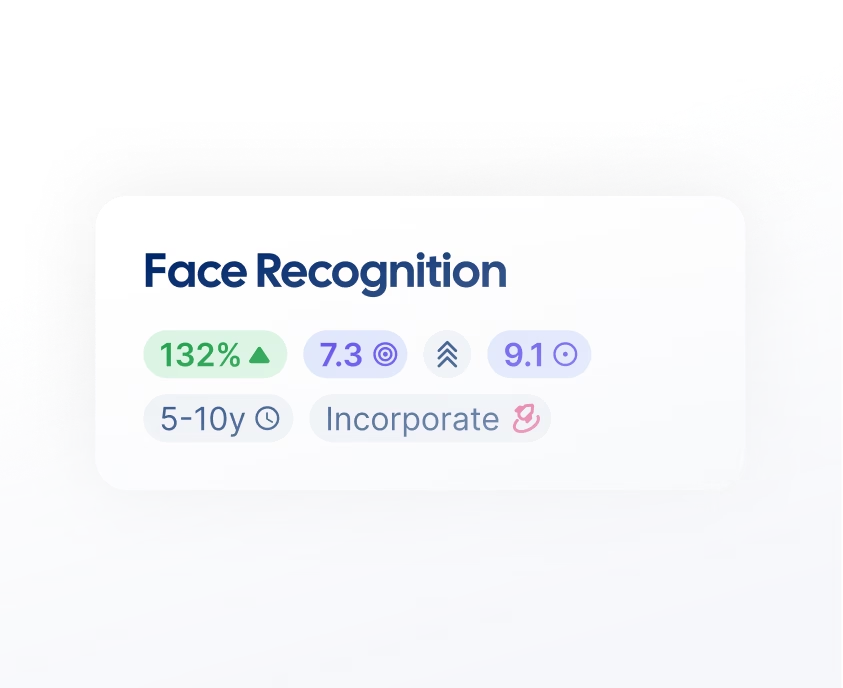
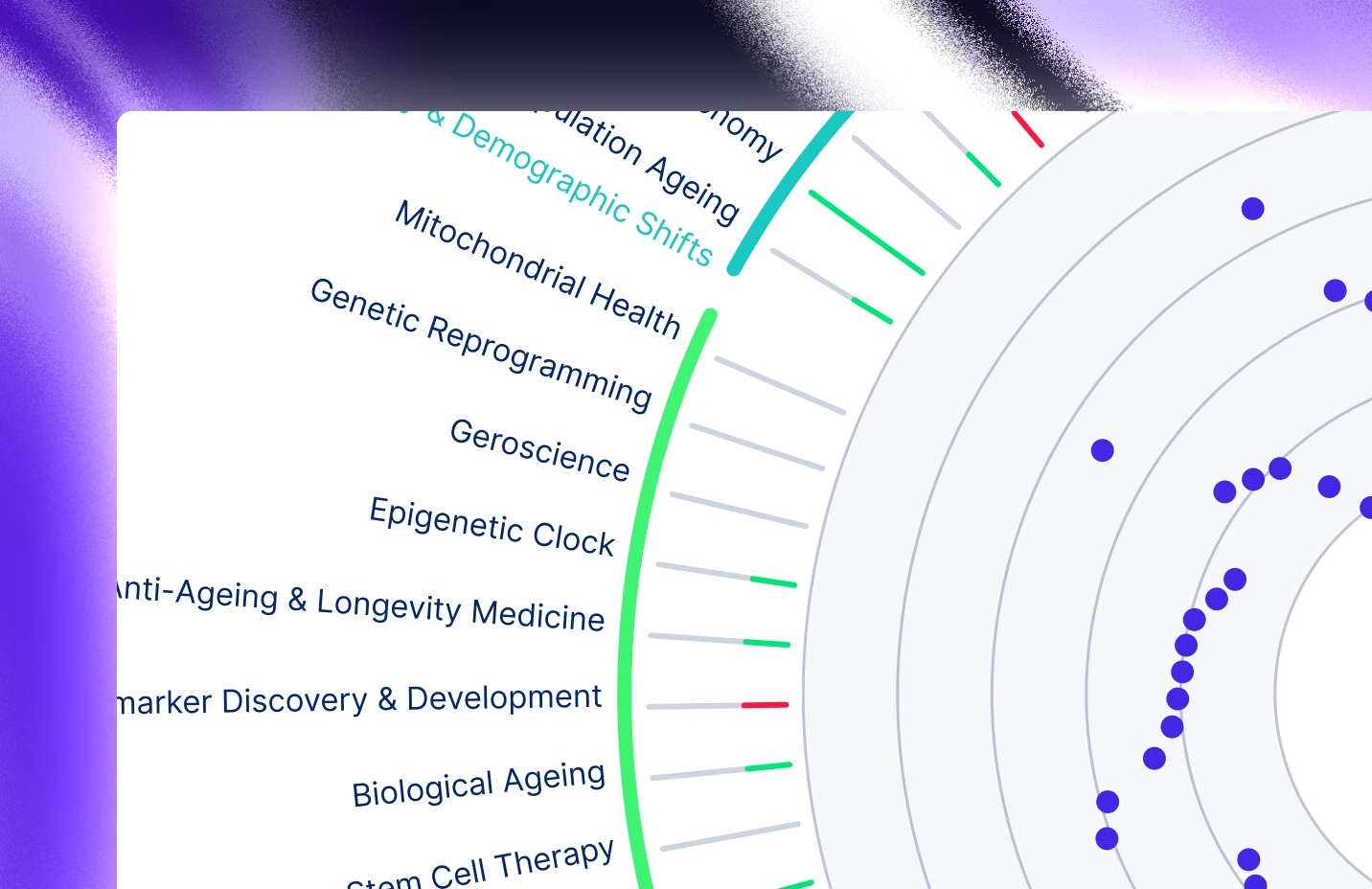
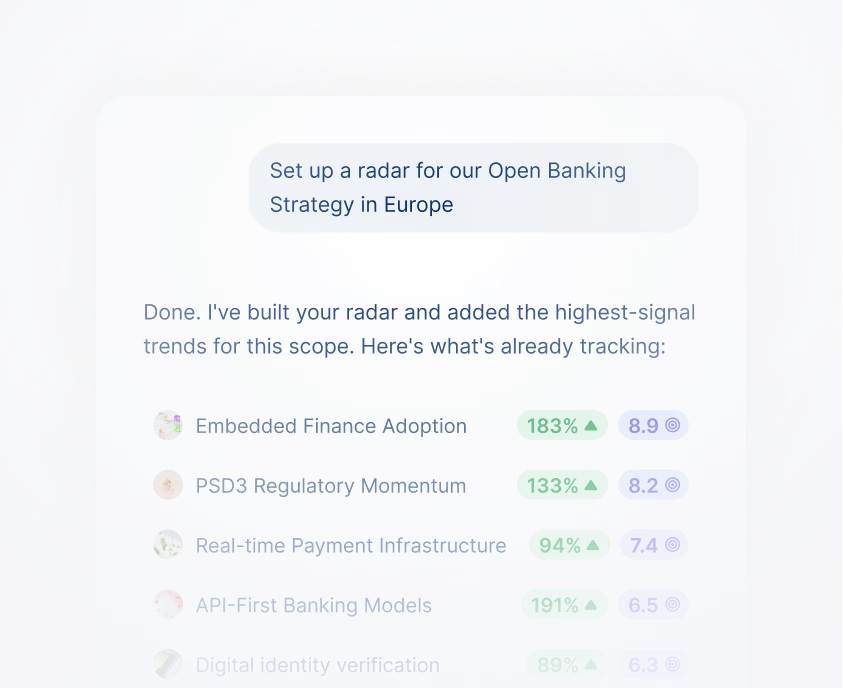
A trend radar is a visual map of the trends affecting an organisation, organised by maturity and impact, so leaders can see at a glance what is emerging, accelerating, or peaking. Trendtracker builds and updates these radars automatically.
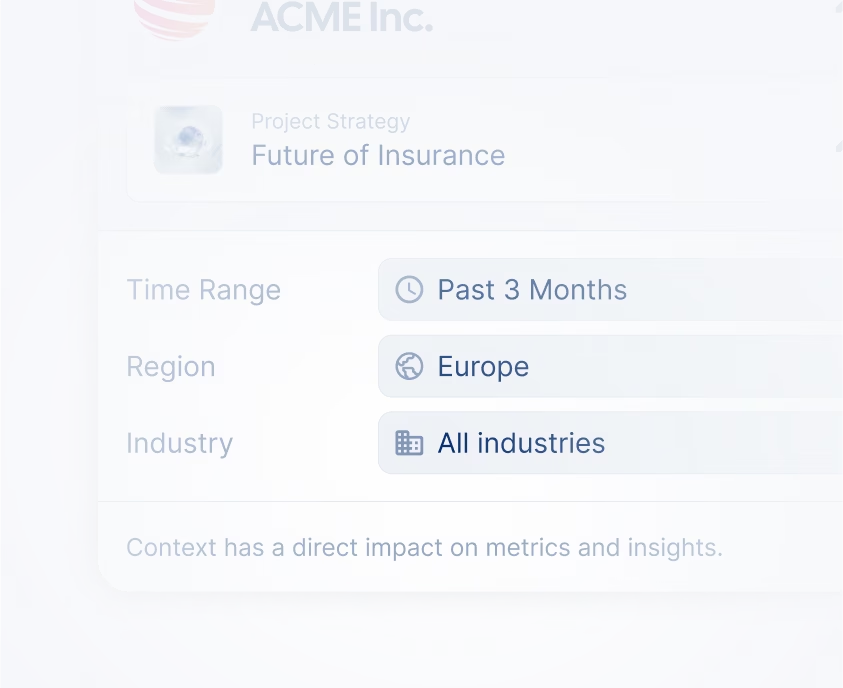
It is generated from continuous analysis of {{documents}}+ documents across {{sources}}+ sources, with each trend scored and forecasted by the Trend Strength Index, then placed on a radar customisable by sector, geography, and strategic challenge.
Trendtracker combines open-source signals with curated datasets across industries and regions.
We continuously monitor a wide range of sources, including:
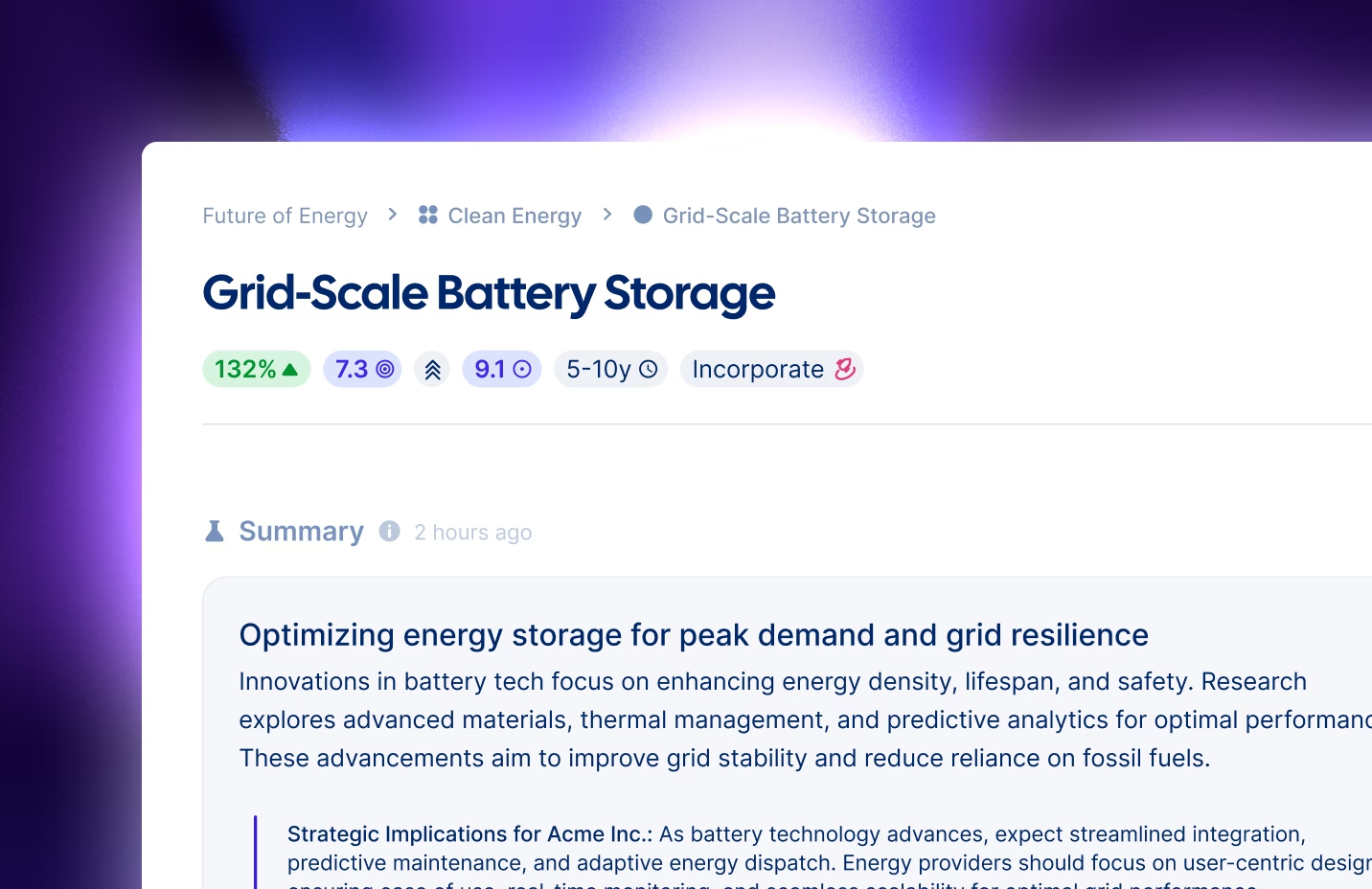
Every trend includes a transparent evidence trail, so strategy, foresight, and innovation teams can easily verify the source and understand why it was flagged.
Think of the Trend Radar as your always-on intelligence layer for horizon scanning. It consolidates weak signals into one transparent view, helping you distinguish noise from what really matters. Instead of juggling spreadsheets, you get a living radar — continuously updated by AI and backed with evidence — that supports confident decisions in scenario planning, roadmaps, and risk registers.
With manual scanning, you’re the one collecting and sorting through signals—finding, de-duping, classifying, and ranking them yourself. Automated monitoring does all of that for you, continuously.
Instead of juggling fragmented tabs, you get one unified radar with explainable scores and shareable custom watchlists (your own tailored sets of trends or technologies to keep an eye on).
Yes. The same radar that supports strategy and innovation also helps risk teams monitor emerging risks—such as policy changes, supply chain issues, or geopolitical shifts—and spot new opportunities like tech developments or market openings.
You can easily switch perspectives by exploring different clusters, so each team sees what matters most to them.